
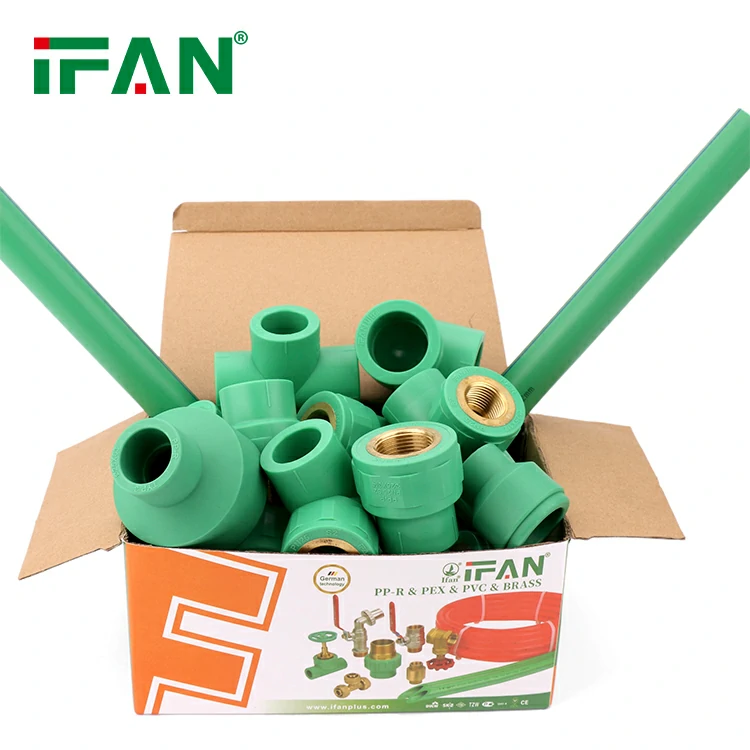
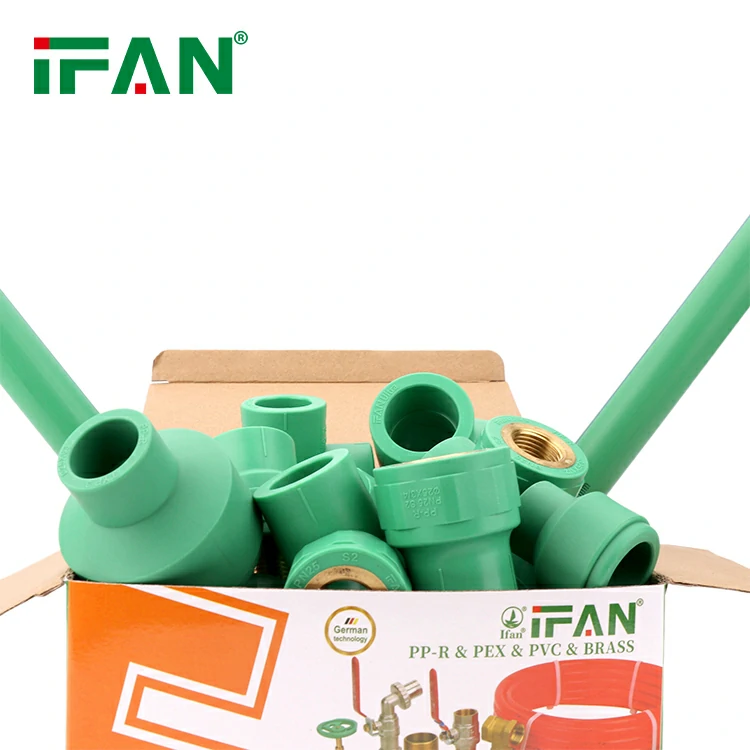
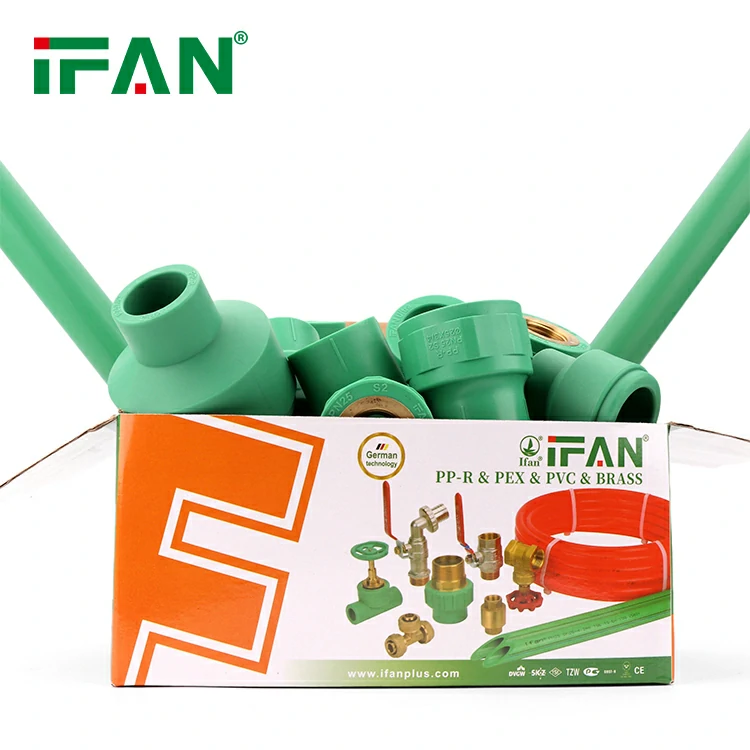
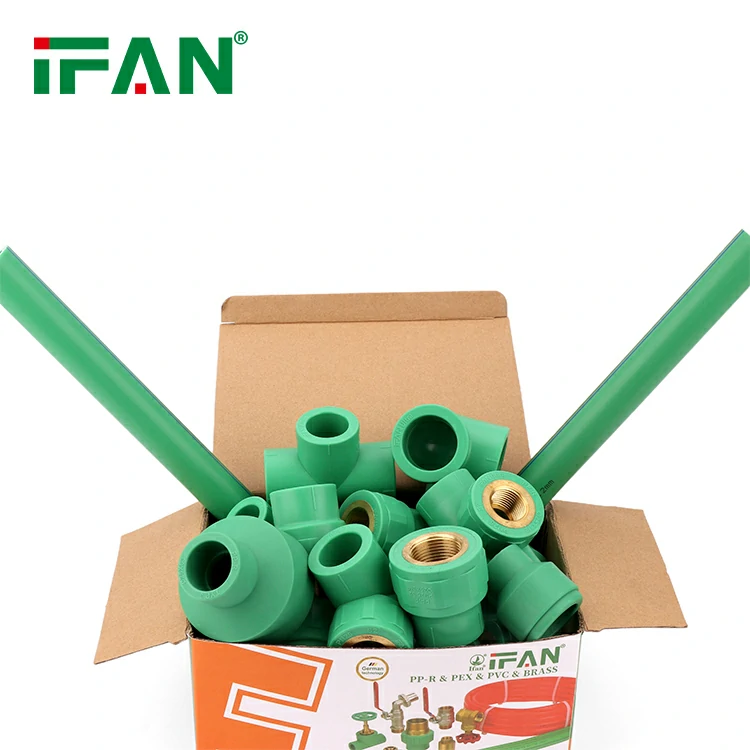
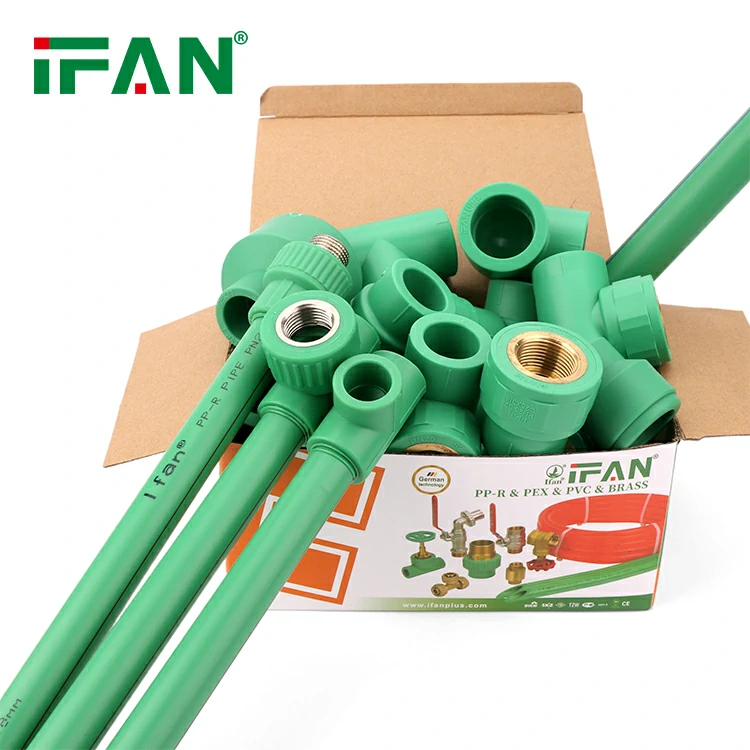
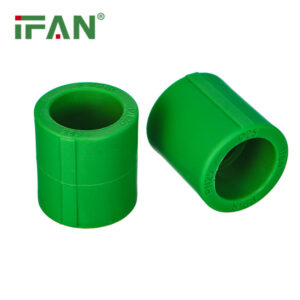
IFAN Customizable PPR Pipe Fitting
Category : Click Download
Whatsapp : +86 19884503412
Wechat : 19884503412
Description
Introduction to PPR Pipe Fitting Connections
PPR pipe fitting systems are used in plumbing, HVAC, and industrial piping applications worldwide.
These fittings connect polypropylene pipes to form sealed, durable systems for hot and cold water.
Because of the material’s unique properties, gluing is not suitable for PPR pipe fitting installations.
Instead, a special machine is needed to create heat-fused joints.
This method ensures strength, longevity, and leak-free performance.
Understanding what machine is required helps ensure a professional-grade installation.
This article explores the specific machine and its proper use.
The Fusion Welding Machine
The key machine for joining a PPR pipe fitting is the fusion welding machine.
Also known as a socket fusion tool, it melts both the pipe and the fitting surfaces.
It uses a heating element with interchangeable metal heads matching standard pipe diameters.
The tool heats both parts to about 260°C before fusion.
Once melted, the pipe and fitting are pushed together and held briefly.
This creates a seamless bond through material integration—not surface adhesion.
The fusion welding machine is compact, portable, and commonly used on-site.
Socket Fusion vs. Butt Fusion Machines
There are two main machines used for fusing PPR pipe fittings: socket fusion and butt fusion.
Socket fusion machines are ideal for small- to medium-diameter PPR pipe fitting applications.
They heat the outer surface of the pipe and the inner surface of the fitting.
Butt fusion machines are better for large-diameter pipes, joining two flat ends directly.
These machines require more alignment tools and are usually used in industrial settings.
Both methods form joints stronger than the pipe material itself.
Selection depends on pipe size, project scale, and precision requirements.
Components of a Fusion Welding Machine
The socket fusion machine consists of several key components.
These include a control unit, heating element, die heads, and handle grips.
The heating element maintains a stable temperature for consistent melting.
Die heads are interchangeable to match various PPR pipe fitting sizes.
A thermostat ensures temperature accuracy to avoid overheating or underheating.
Some machines also have digital temperature displays for precision.
Electric fusion tools are more accurate, while manual ones suit smaller tasks.
Using the correct die for each fitting size is essential.
Step-by-Step Fusion Process
Proper joining of PPR pipe fitting components follows several clear steps.
First, cut the pipe square using a pipe cutter.
Then, clean and dry both the pipe and fitting surfaces.
Next, heat the pipe and PPR pipe fitting using the fusion machine’s dies.
Once the required heating time is reached, quickly push the parts together.
Hold them firmly until the joint cools and solidifies.
Avoid twisting during the process to ensure joint integrity.
This method requires practice but ensures professional, long-lasting results.
Machine Settings and Temperature Control
Temperature control is critical when using a fusion welding machine.
Most machines are set to 260°C for standard PPR pipe fitting joints.
Too low, and the plastic won’t melt properly; too high, and it may degrade.
Each pipe size has a specific heating and cooling time.
The operator must follow the manufacturer’s instructions closely.
Digital models allow fine adjustments and timer settings.
Improper temperature or timing leads to weak joints or internal flow restrictions.
Precision in operation ensures safe, high-pressure performance.
Safety Tips and Best Practices
Using a fusion welding machine requires safety precautions.
Always wear gloves, goggles, and avoid touching heated surfaces.
Keep the machine on a flat, stable surface while operating.
Allow the machine to preheat fully before starting any weld.
Never force parts together before they are adequately heated.
After fusion, let joints cool naturally; avoid using water or fans.
Regularly clean the die heads to prevent residue buildup.
Proper handling ensures that every PPR pipe fitting is securely joined.
Conclusion: Choosing the Right Machine for the Job
To join any PPR pipe fitting correctly, a fusion welding machine is essential.
Socket fusion is ideal for home and small commercial systems.
Butt fusion works better for larger industrial applications.
These machines produce durable, seamless joints that outlast the pipe itself.
They eliminate leaks, resist pressure, and require no glue or sealant.
Choosing the right tool depends on pipe size, environment, and technical skill.
Investing in quality machinery ensures a reliable PPR pipe fitting system every time.
For professionals and DIYers alike, the fusion welding machine is the gold standard.
相关产品
 Green PPR Pipe Fittings
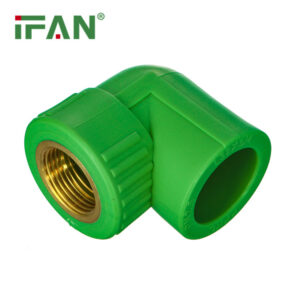
PPR Tail Elbow
- Green PPR Pipe Fittings
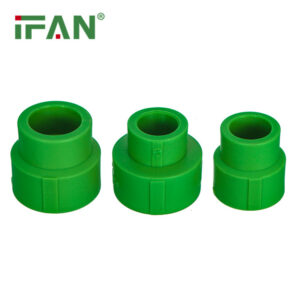
PPR Reduce Socket
- Green PPR Pipe Fittings
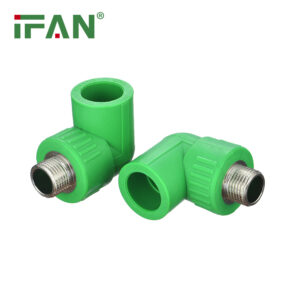
PPR Male Elbow
- Green PPR Pipe Fittings
PPR Socket Fittings


HAVE ANY QUERIES? SEND TO CONTACTOANTSMACHINE.COM
ONTACT US