
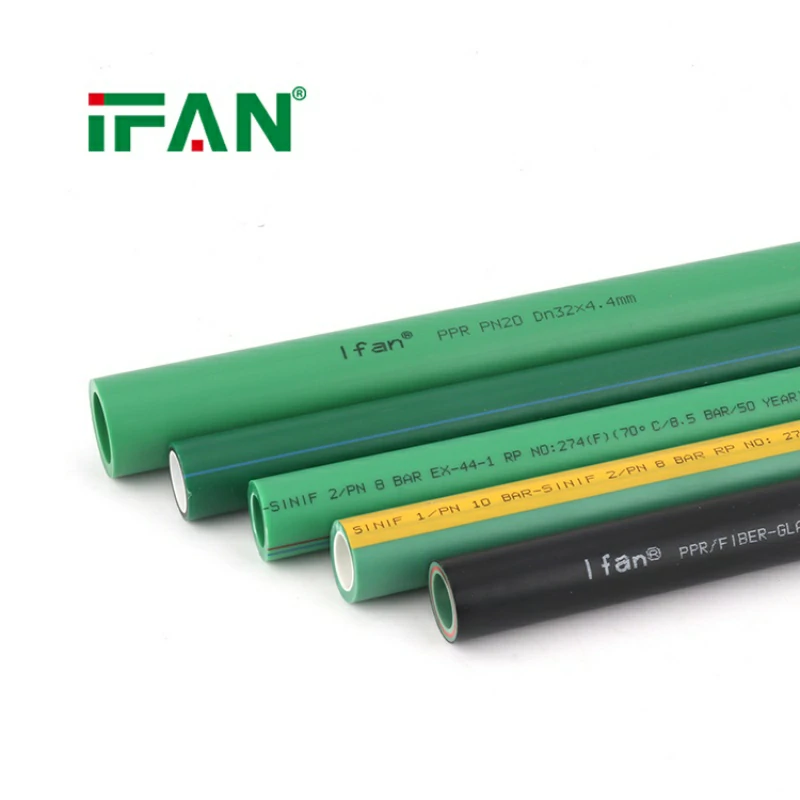
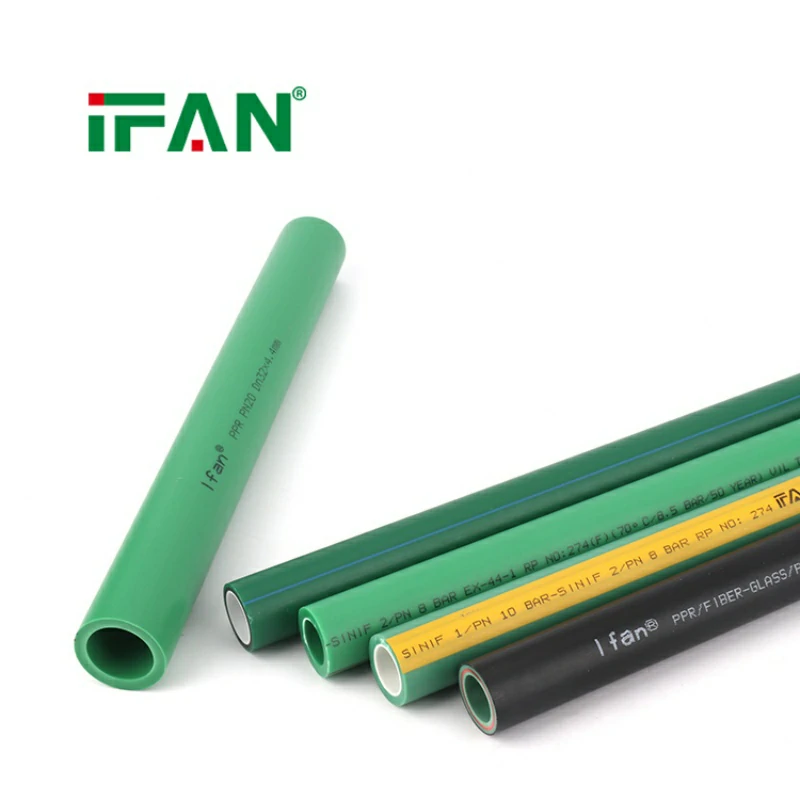
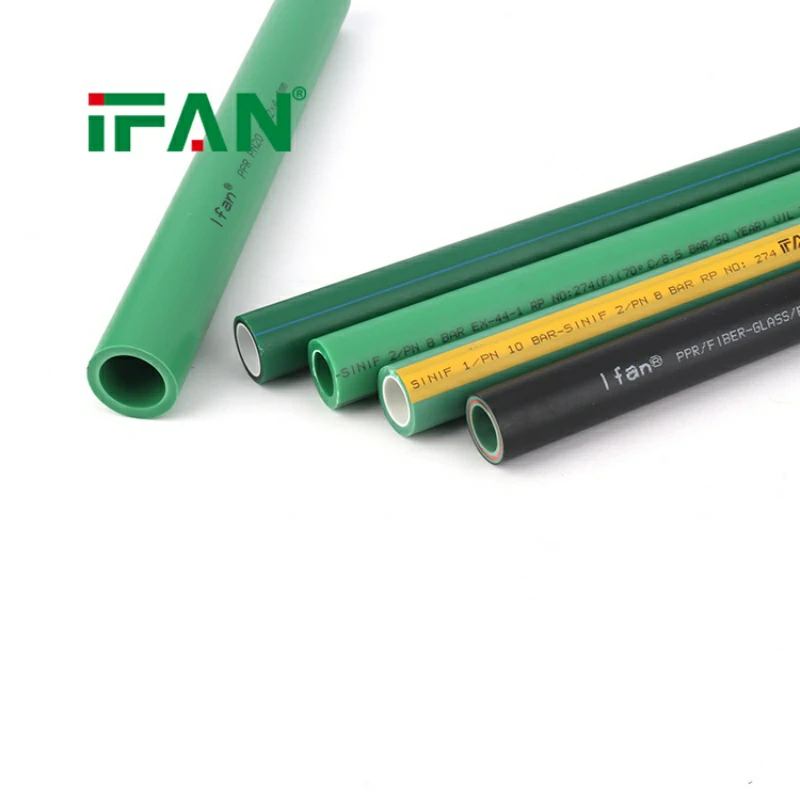
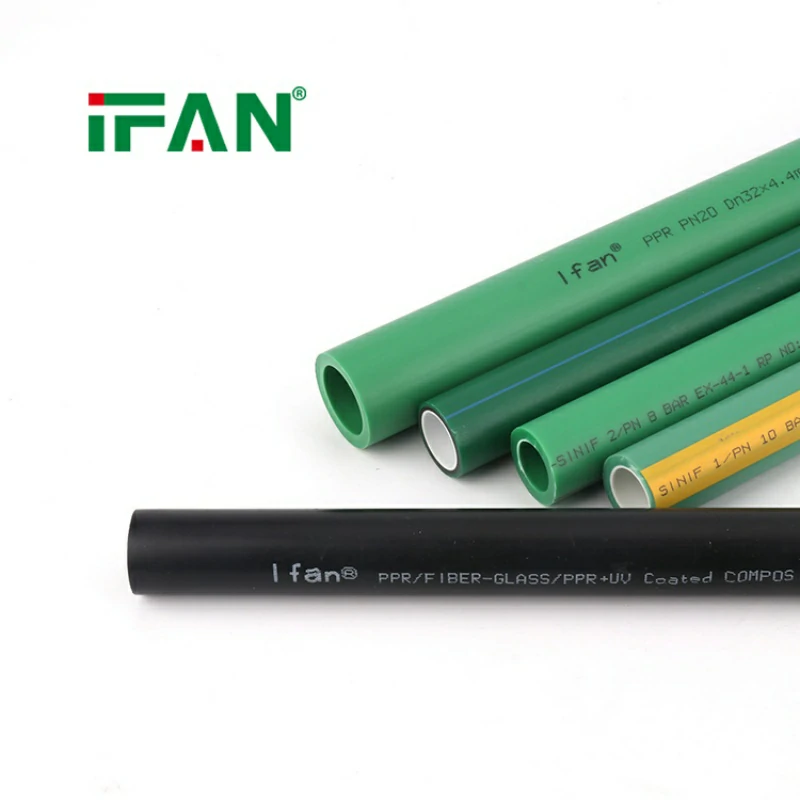
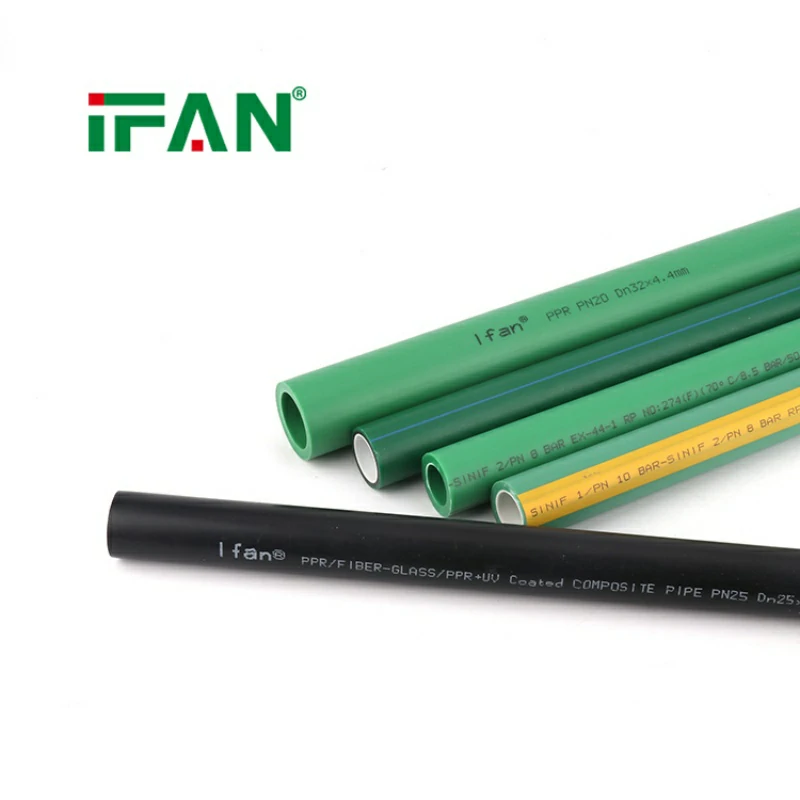
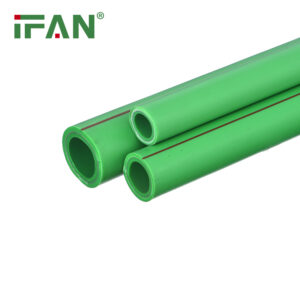
IFAN Hot Selling OEM PPR Pipes
Category : Click Download
Whatsapp : +86 19884503412
Wechat : 19884503412
Description
Understanding PPR Material Properties
PPR pipes are made from polypropylene random copolymer. This material is strong and durable. It resists most chemicals and corrosion. It does not rust or rot like metal. However, it has specific environmental limitations. These must be understood for outdoor use.
UV Degradation of PPR
PPR is not inherently UV-stabilized. Direct sunlight degrades the material. UV radiation causes surface embrittlement. The pipe becomes chalky and cracks over time. This weakens its structural integrity. For outdoor above-ground use, UV protection is essential.
Protecting PPR from Sunlight
Outdoor PPR pipes must be shielded from UV. Use insulation sleeves or protective conduits. Paint the pipes with UV-blocking paint. Bury them underground for natural protection. Run them inside building structures. Without protection, the pipe will fail prematurely.
Underground Installation Suitability
PPR is well-suited for direct burial. The soil blocks all UV radiation. The material does not corrode in soil. It resists chemicals and moisture underground. It is immune to galvanic corrosion. This makes it excellent for underground water mains.
Soil Chemistry Considerations
Most soils are harmless to PPR. The material resists acids and alkalis. It is unaffected by salts and minerals. However, sharp rocks can damage the pipe. A sand bedding layer protects it. Proper backfill prevents point loading.
Temperature Limits for Outdoor Use
PPR has a maximum service temperature of 95°C. For cold outdoor applications, this is fine. Freezing temperatures are a concern. Water inside can freeze and expand. PPR pipes can tolerate some expansion. But excessive freezing may cause cracks.
Freeze Resistance of PPR
PPR has better freeze resistance than rigid plastics. It has some flexibility and elasticity. It can expand slightly with ice formation. However, it is not as forgiving as PEX. Severe freeze cycles can still cause failure. Insulation or burial below frost line is recommended.
Mechanical Protection Underground
Buried pipes need protection from digging. Install a warning tape above the pipe. Use a sand or gravel bed for bedding. Avoid rocky backfill that can puncture. For shallow burial, use a protective conduit. These precautions prevent accidental damage.
Thermal Expansion Underground
PPR has a high coefficient of thermal expansion. Temperature changes cause length changes. Underground, the soil restrains this movement. This can create stress at fittings. Use expansion loops or offsets for long runs. This accommodates thermal movement safely.
Connection Methods for Burial
Fusion welding is the preferred joining method. It creates a monolithic, leak-proof joint. Mechanical fittings are also possible. However, they require access for future maintenance. For direct burial, fusion-welded PPR pipes are best. No maintenance access is needed.
Examples of Successful Applications
PPR is used for underground water mains. It serves geothermal ground loops. It is used for irrigation supply lines. Industrial cooling water lines use it. Municipal water systems adopt it globally. These applications prove its durability underground.
Conclusion on Outdoor and Underground Use
PPR pipes can be used outdoors with UV protection. They are excellent for direct underground burial. Soil protects them from UV and provides support. Freeze protection and proper bedding are essential. For above-ground outdoor runs, use insulation or UV-blocking coatings. When correctly installed, PPR provides long-lasting, corrosion-free service in both outdoor and underground environments.
相关产品
 Plastic PPR Pipe
Various PPR Pipes
- Plastic PPR Pipe
PPR Pipes
- Plastic PPR Pipe
PPR Pipe
- Aluminum PPR Pipe
PPR Aluminum Plastic Pipe



HAVE ANY QUERIES? SEND TO CONTACTOANTSMACHINE.COM
ONTACT US