Understanding Proper Welding Temperatures
PPR fusion welding requires precise heat control. The correct temperature is around 260°C (500°F). This melts the material surface without degrading it. Overheating changes the polymer structure. It creates weak, brittle joints. Recognizing the signs is essential for quality work.
Discoloration of the Material
Properly welded PPR has a uniform, slightly glossy appearance. Overheated PPR pipe fittings show discoloration. The material turns yellow, brown, or even black. This indicates thermal degradation. The color change is permanent and visible on the surface. It often extends beyond the joint area.
Charring and Blackening
Extreme overheating causes charring. The plastic burns and turns black. This is a clear sign of tool temperature being too high. Charred PPR pipe fittings are severely weakened. The material has lost its structural integrity. Such joints must be cut out and replaced entirely.
Excessive Melt Flow and Bulging
When overheated, the material becomes too fluid. It flows beyond the normal bead. Large, irregular bulges form at the joint. The internal bore may also bulge inward. This is called “over-beading.” It restricts flow and creates stress points. The joint is not reliable despite looking well-formed.
Dark Spots and Burn Marks
Localized dark spots or burn marks can appear. These indicate spots of excessive heat. They may be from a dirty heating die. Foreign material burns onto the surface. They can also be from uneven heating. Dark spots are weak points in the joint. They are potential sites for future cracking.
Brittle and Crumbly Beads
A properly formed bead is flexible and smooth. Overheated PPR pipe fittings have brittle beads. The bead may feel hard and crumbly. It can flake off when scraped with a fingernail. This indicates the polymer chains have broken down. The joint has lost its impact resistance.
Emitting Acrid Smoke or Odor
Proper fusion has a slight plastic smell. Overheating produces acrid, irritating smoke. The smell is sharp and chemical, distinct from normal melting. This is a clear sign of material decomposition. Stop welding immediately if this occurs. Check and adjust the tool temperature.
Shrinkage and Gaps
Overheated material can shrink as it cools excessively. This creates gaps between the pipe and fitting. The bead may appear sunken or concave. PPR pipe fittings may pull away from the joint. This visible gap indicates a failed weld. The connection will certainly leak under pressure.
Hard to Insert or Remove from Die
The pipe should slide onto the heating die easily. Overheating causes material to stick aggressively. It becomes hard to insert. It is equally difficult to remove. This indicates the surface is melting too deeply. The pipe or fitting will be distorted upon removal.
Deformation of the Socket
The fitting socket should maintain its shape. Overheating causes the socket walls to soften. They may collapse or distort. PPR pipe fittings with out-of-round sockets are ruined. They will not seal correctly with the pipe. The deformation is usually visible to the naked eye.
Non-Uniform Melt Pattern
The melted surface should be even and glossy. Overheating creates a rough, uneven pattern. The melt may look “curdled” or separated. This indicates degradation of the polymer blend. The material will not fuse properly. The joint will have inconsistent strength.
Cracking During Cooling
Properly welded joints cool without issues. Overheated PPR pipe fittings may develop cracks. These appear as the material contracts and stresses. Cracks are most likely at the bead edge or socket rim. Any visible crack means immediate failure. The joint must be cut out and replaced.
Conclusion on Detection and Action
Recognizing the signs of overheating is critical. Discoloration, charring, and excessive bulging are key indicators. Brittle beads, smoke, and shrinkage also signal problems. Deformed sockets and non-uniform melts are unacceptable. Any suspected overheated PPR pipe fittings must not be used. Cut them out and reweld with correct temperature and technique. Always use a calibrated welding tool and clean dies. Quality control at each joint prevents future system failure.
相关产品
 Gray PPR Pipe Fittings
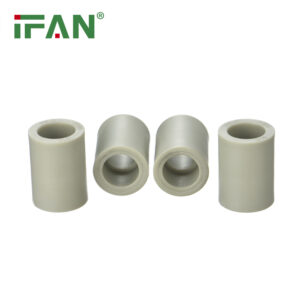
Gray PPR Socket
- Gray PPR Pipe Fittings
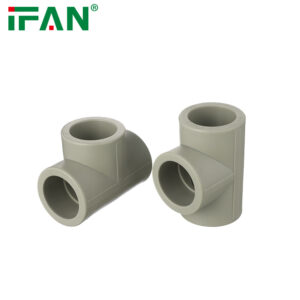
Gray PPR Tee
- Gray PPR Pipe Fittings
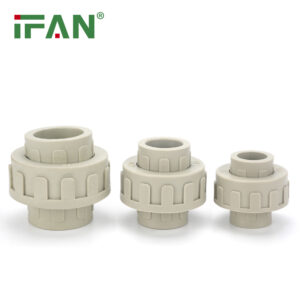
Gray PPR Plastic Union
- Gray PPR Pipe Fittings
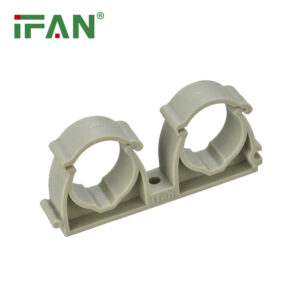
Gray PPR Pipe Clip