
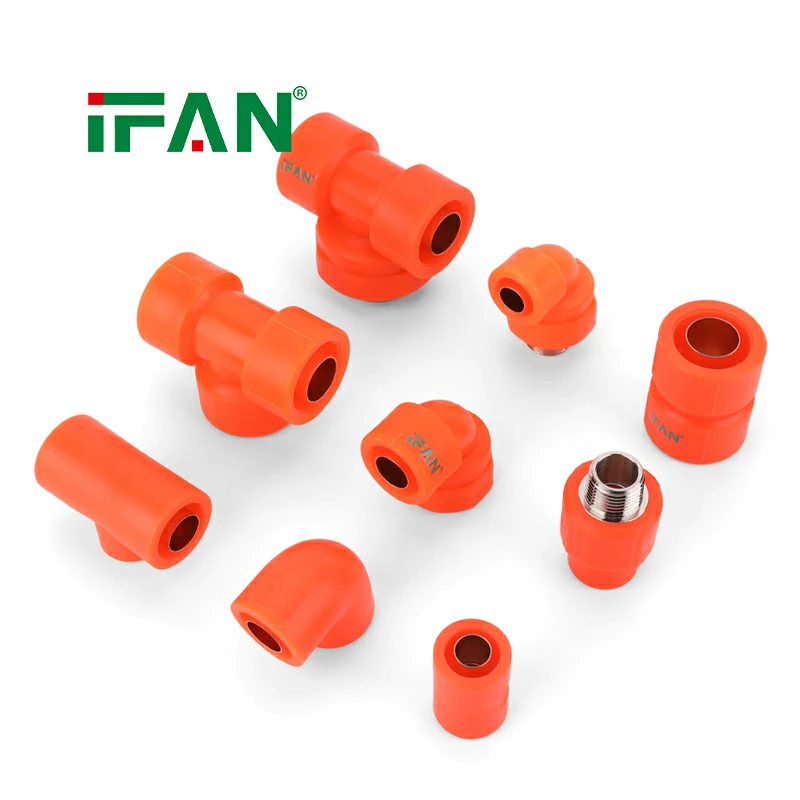
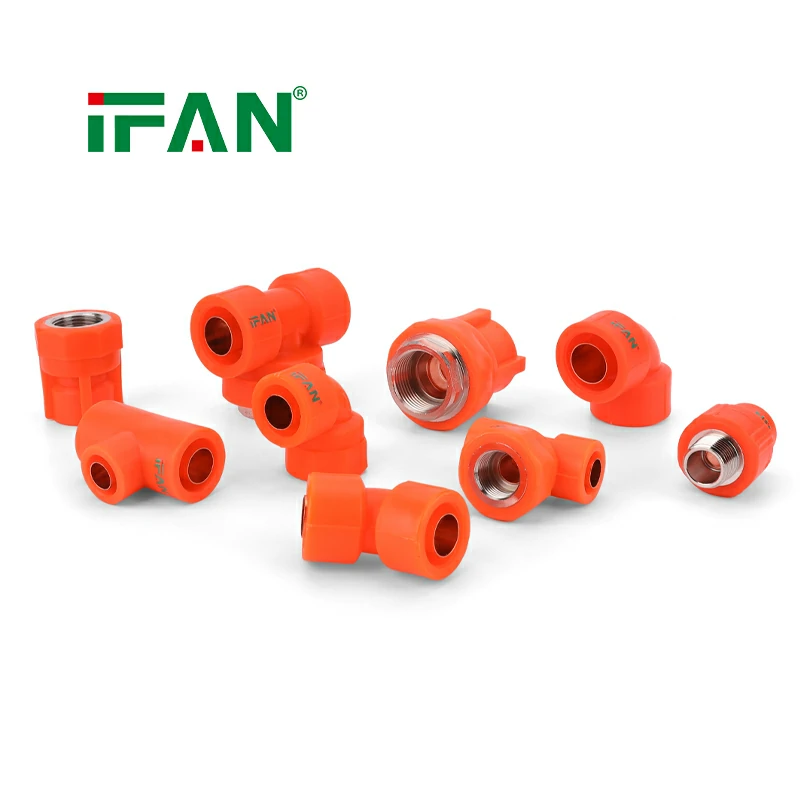
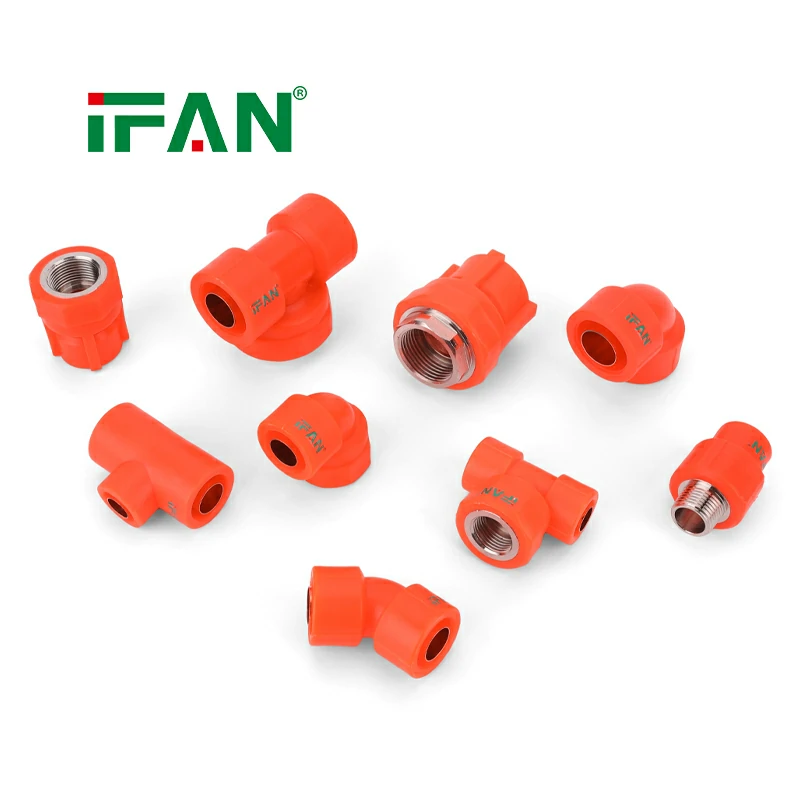
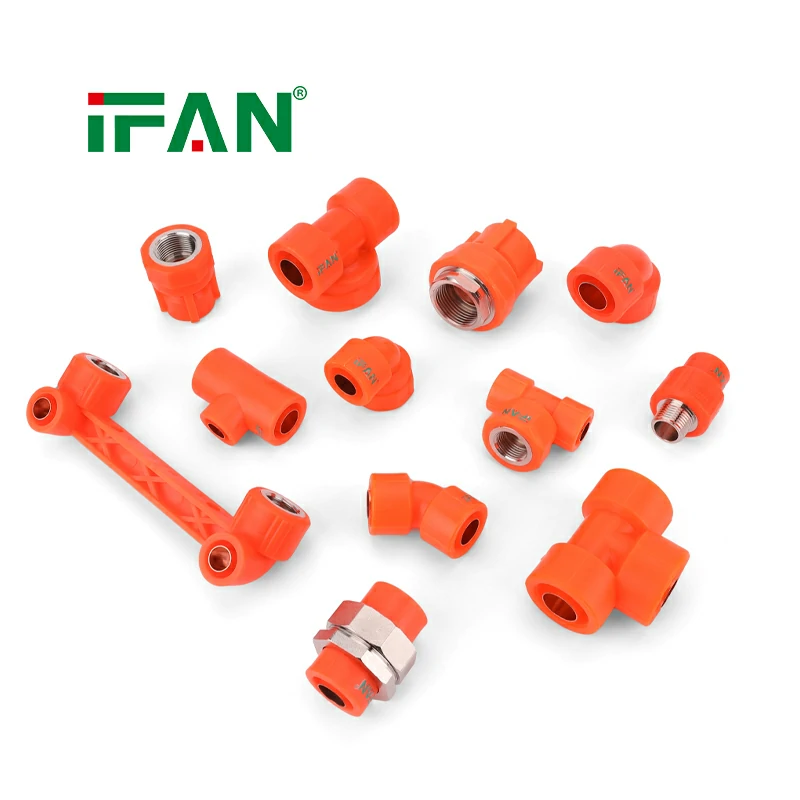
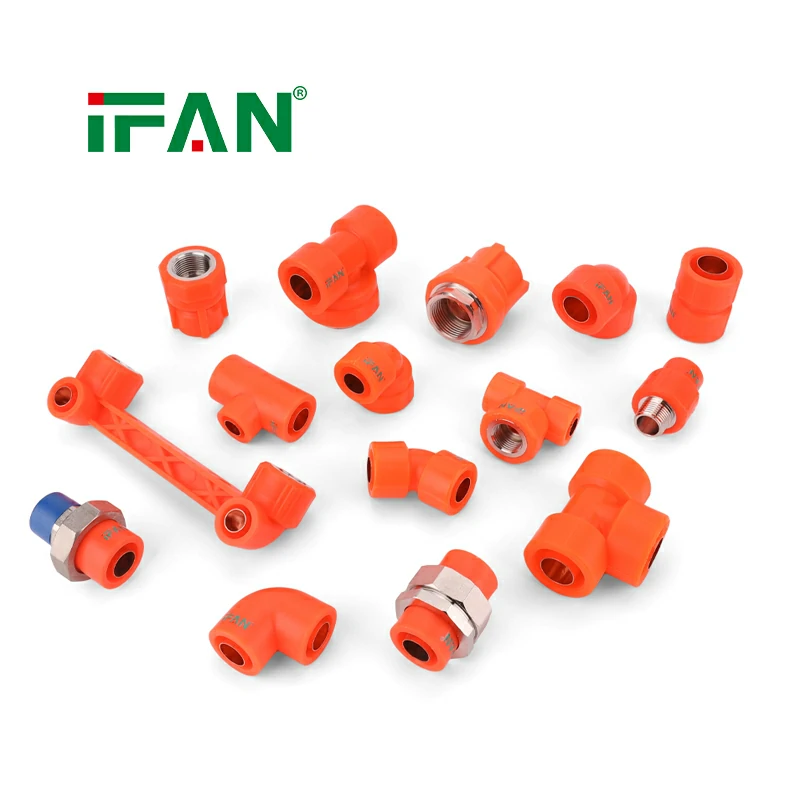
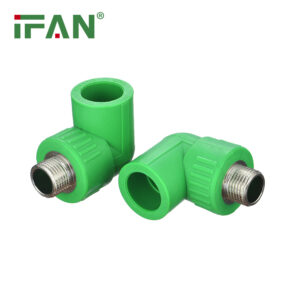
IFAN Supply PPR Copper Fittings
Name: IFAN PPR Copper Fittings
Brand: IFAN
Category : Click Download
Whatsapp : +86 19884503412</p>
Category : Click Download
Whatsapp : +86 19884503412
Wechat : 19884503412
Description
Yes, directly to copper pipes
PPR copper fittings are designed for direct copper connections. The copper side of the fitting joins to copper pipe. No adapter or extra part is needed. Example: a simple, direct solder joint.
The copper end is standard tubing
The copper side of the fitting is plain pipe. It matches standard copper tube dimensions exactly. Outside and inside diameters are identical. PPR copper fittings use industry-standard copper sizes.
Connection method: soldering
You join copper to copper using lead-free solder. Clean both surfaces with emery cloth first. Apply flux and heat with a propane torch. PPR copper fittings form a permanent metallic bond this way.
No threading or gluing involved
Copper pipes do not use glue or solvent cement. Threaded connections require male and female threads. PPR copper fittings use neither of those methods. Just clean, flux, heat, and solder together.
Preparing the copper pipe surface
Clean the copper pipe end to bright, shiny metal. Remove all oxidation and old solder residue. Use emery cloth or fine sandpaper for this. PPR copper fittings need a clean surface for soldering.
Insertion depth for copper pipe
Push the copper pipe fully into the fitting socket. It should bottom out against the internal stop. Mark the depth before soldering if needed. PPR copper fittings typically have 15-20mm socket depth.
Soldering technique near plastic
The copper socket is close to the PPR body. Heat travels quickly through the copper metal. Protect the plastic end with a wet rag. PPR copper fittings can be damaged by excessive heat.
Example: connecting a PPR main to a copper branch
A PPR main line supplies water to the house. A copper branch goes to an outdoor faucet. PPR copper fittings connect the two directly. Solder the copper side first, then weld the PPR side.
Example: repairing a mixed system
A building has copper mains and PPR branches. A leak occurs at an old transition point. PPR copper fittings replace the failed adapter. The copper side solders directly to the existing copper pipe.
Compatible copper pipe types
Type L and Type M copper pipes work perfectly. Hard copper (rigid) is ideal for straight runs. Soft copper (coiled) also works but needs support. PPR copper fittings accept both hard and soft copper types.
Pressure rating of the copper joint
A proper solder joint is very strong and durable. It can handle 300+ psi burst pressure easily. The PPR side limits the system to 100 psi. Polypropylene-Random copper fittings will not fail at the copper joint first.
Final direct connection summary
Polypropylene-Random copper fittings connect directly to copper pipes without adapters. The copper side is a standard socket for soldering. Use normal soldering tools and techniques. Clean, flux, heat, and apply lead-free solder. Protect the plastic end with a wet rag. This direct connection eliminates extra adapters completely. It saves time, money, and potential leak points. For copper-to-PPR transitions, these fittings are the perfect solution. Example: thousands of successful installations use them daily.
相关产品
 PPR Fitting
White PPR Female Elbow Fittings
- PPR Fitting
White PPR Elbow Fittings
- Green PPR Pipe Fittings
PPR Male Socket
- Green PPR Pipe Fittings
PPR Male Elbow



HAVE ANY QUERIES? SEND TO CONTACTOANTSMACHINE.COM
ONTACT US