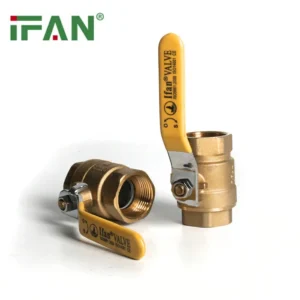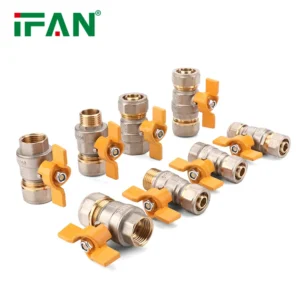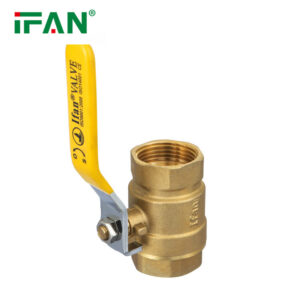
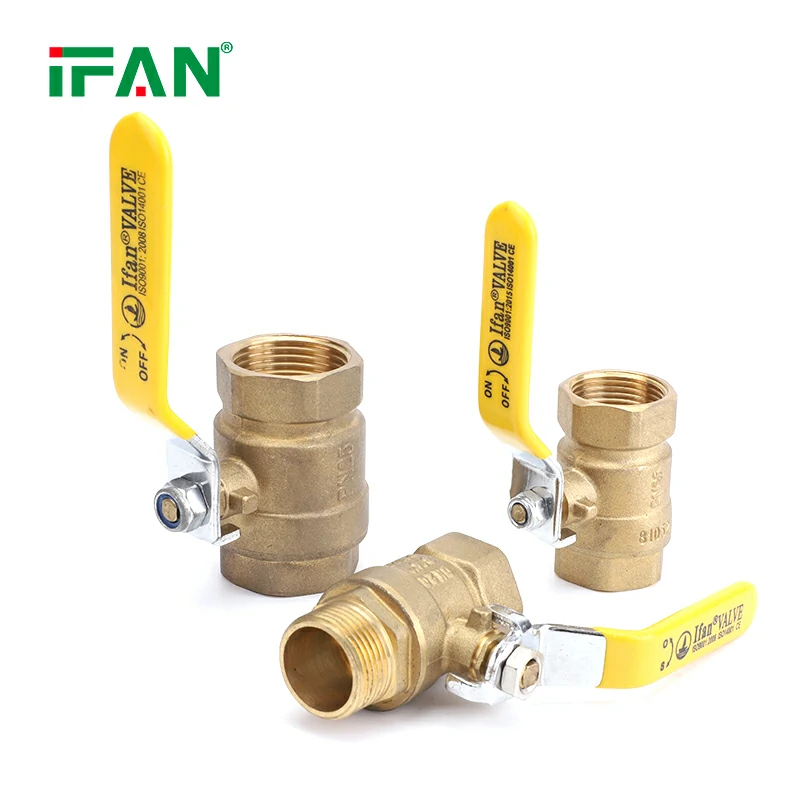
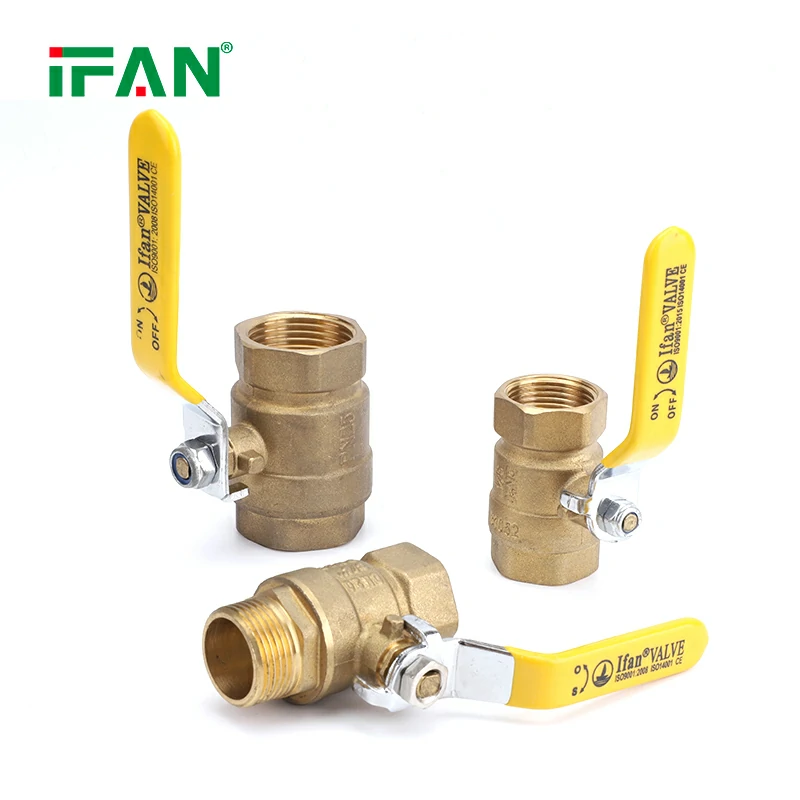
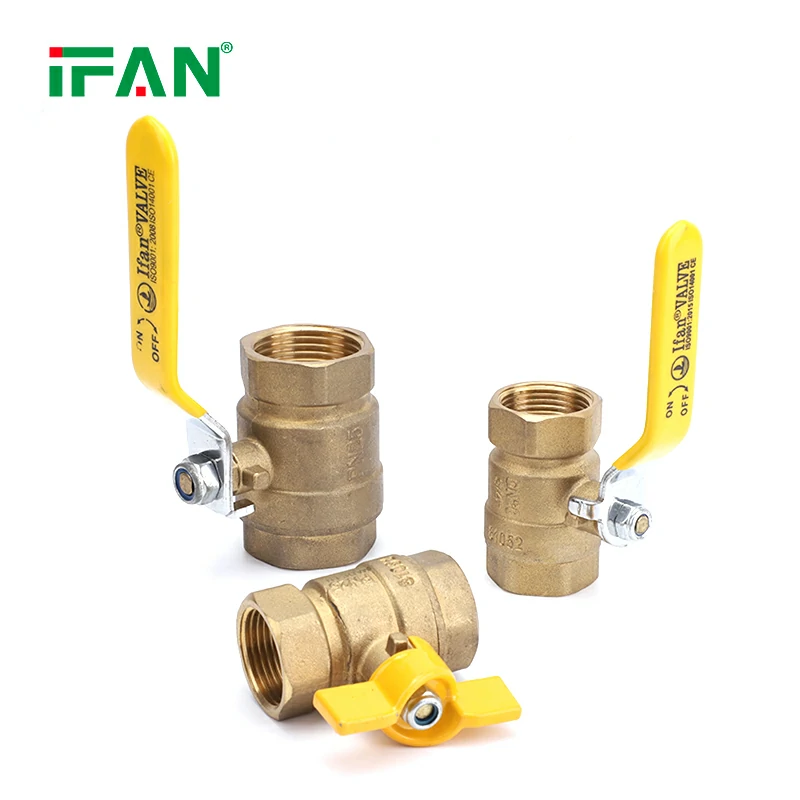
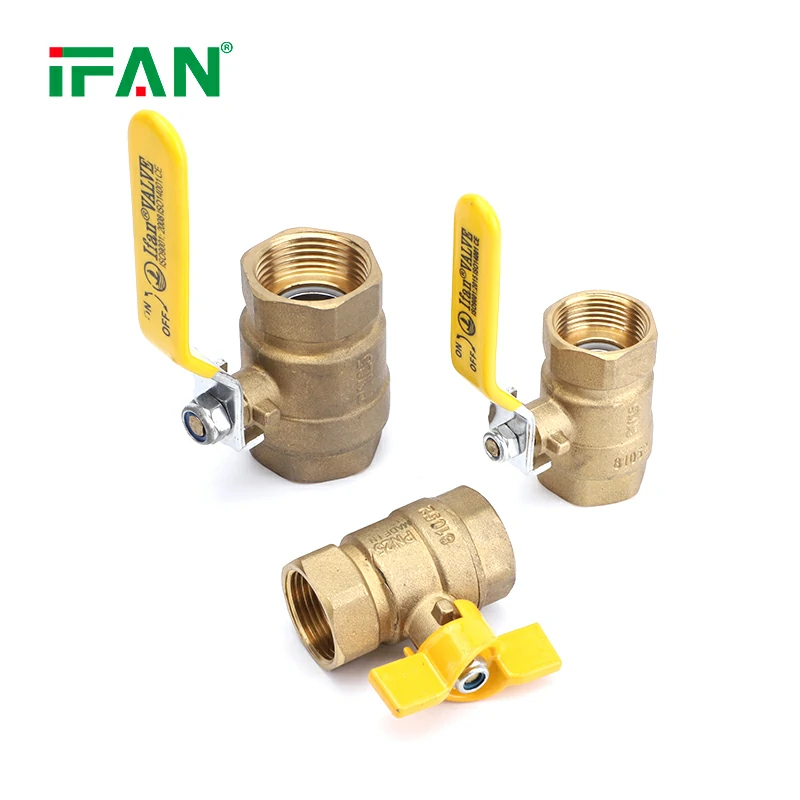
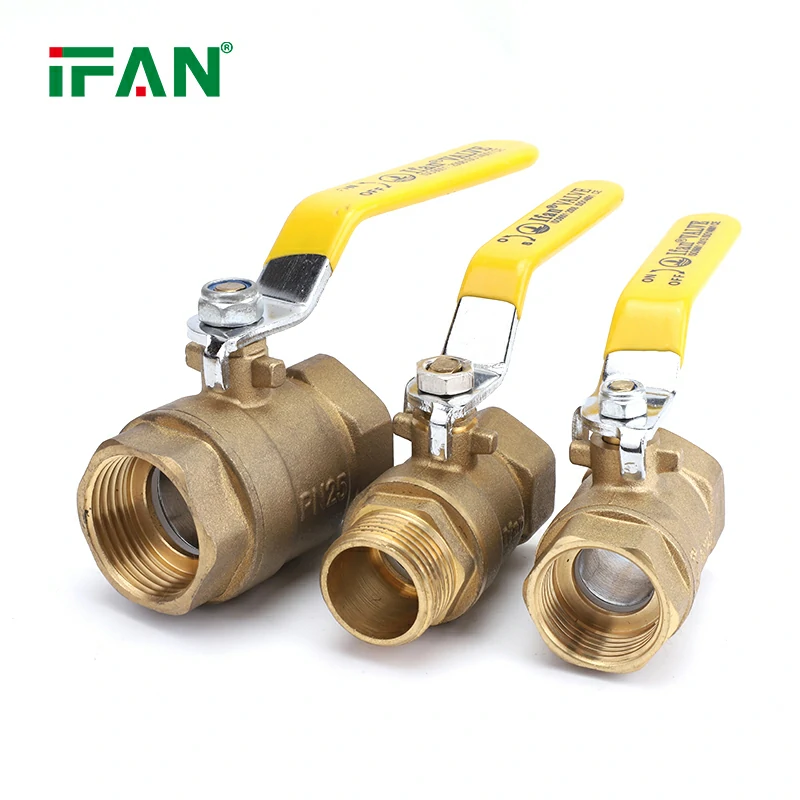
Introduction to Brass Gas Valves
Brass gas valves control gas flow in residential and commercial systems.
They are widely used due to their reliability and durability.
These valves function in natural gas, propane, and industrial gas systems.
They feature corrosion resistance and a strong seal when closed.
But when installed outdoors, specific factors must be considered.
Temperature changes, weather exposure, and installation techniques all affect performance.
This article explores whether brass gas valves are suitable for outdoor use.
Understanding their limitations and best practices ensures safety and long-term reliability.
Brass as a Material for Outdoor Use
Brass is an alloy of copper and zinc.
It resists corrosion better than many other metals.
Brass gas valves hold up well in humid and moderate climates.
However, brass can tarnish or oxidize when exposed to air and moisture.
While this doesn’t always affect performance, it may degrade appearance.
In highly acidic or salty environments, brass may corrode faster.
In freezing climates, temperature fluctuations may also impact valve integrity.
Brass gas valves are strong, but outdoor elements can reduce service life.
Temperature and Pressure Considerations
Outdoor gas systems face wider temperature ranges than indoor ones.
Freezing temperatures can cause expansion or contraction in valve materials.
Brass gas valves tolerate most residential pressure ranges effectively.
However, rapid thermal cycling may stress internal seals or threads.
Ensure the valve’s specifications match your local outdoor conditions.
Look for valves with temperature ratings suitable for exterior use.
Some outdoor-rated valves have reinforced seals or special coatings.
Using indoor-only valves outdoors could result in premature failure or leaks.
Weatherproofing and Protective Enclosures
To protect brass gas valve outdoors, use proper covers and enclosures.
Install the valve in a sheltered location, if possible.
Plastic or metal valve boxes help shield from rain, snow, and sunlight.
UV exposure may degrade handle components or plastic parts.
If installed underground, use a valve rated for burial.
Seal threaded connections with weather-resistant tape or compounds.
Protective insulation can also help reduce exposure to ice or condensation.
Proper weatherproofing extends the life of brass gas valve outdoors.
Compliance with Local Codes and Standards
Gas installation codes vary by region and country.
Most building codes allow brass gas valves outdoors under certain conditions.
Always check your local regulations before installation.
Valves must often be accessible for emergency shut-off situations.
Some areas require valves to be mounted above ground level.
Certified gas valves should carry markings like ANSI, CSA, or UL.
Choose products that meet applicable outdoor use standards.
Installing unapproved valves may result in fines or inspection failures.
Best Applications for Outdoor Brass Gas Valve
Brass gas valves are commonly used in outdoor grills and patio heaters.
They also control fire pits, pool heaters, or external gas meters.
In these scenarios, valves must withstand seasonal exposure.
Choose full-port valves for high-flow outdoor applications.
For buried lines, install valves in accessible, weatherproof enclosures.
For mobile or recreational setups, brass valves offer a lightweight option.
Be sure to periodically test valve function and seal integrity.
Brass gas valves provide reliable control when used appropriately outdoors.
Maintenance and Inspection Tips
Routine inspection of outdoor gas valves is essential.
Check for signs of corrosion, leaks, or handle stiffness.
Use soapy water to detect small gas leaks.
If bubbles appear, shut off the system immediately.
Lubricate valve stems annually with approved grease.
Replace worn or rusted valves to prevent safety risks.
Do not paint over brass gas valve, as this can trap moisture.
Maintain a clear, dry area around all outdoor gas valve installations.
Conclusion: Can You Use Brass Gas Valves Outside?
Yes, brass gas valve can be used outdoors with proper care.
Ensure valves meet outdoor-use standards and local codes.
Protect them from moisture, sunlight, and extreme temperatures.
Use valve enclosures, proper fittings, and routine inspections.
Brass gas valves offer dependable performance for outdoor gas control.
From patio grills to backup generators, they meet diverse needs.
When installed properly, they can last for years without failure.
Their combination of durability and affordability makes them a solid outdoor choice.