
Introduction to Modern Plumbing Materials
PEX piping is widely used in residential and commercial plumbing systems worldwide.
It offers flexibility, durability, and resistance to corrosion and scaling.
Among the various types, PEX-A pipe and PEX-AL-PEX pipe are two leading options.
Although both serve similar functions, they differ in structure and performance.
Understanding the differences helps homeowners, engineers, and contractors choose wisely.
This article explains the key distinctions, including flexibility, construction, and usage scenarios.
Examples from real-world applications will clarify when each type is most suitable.
Structure and Material Composition
PEX-A pipe is made of crosslinked polyethylene using the peroxide (Engel) method.
It has a uniform structure and no additional materials between layers.
PEX-AL-PEX pipe, however, is a composite pipe with five layers.
Its structure includes a layer of aluminum between two PEX layers.
The aluminum core is bonded with adhesive for added strength and form stability.
This layered design gives PEX-AL-PEX pipe a rigid form and reduced thermal expansion.
In contrast, Engel method pipe remains completely plastic, offering high flexibility and elasticity.
The difference in layering influences many of their physical properties.
Flexibility and Installation Ease
PEX-A pipe is the most flexible of all PEX types.
It can bend around corners with little or no fittings required.
This reduces installation time and minimizes the chance of joint failure.
PEX-AL-PEX pipe is more rigid due to its aluminum core.
Bending it requires specific tools or preformed curves.
For large or open spaces, the rigidity of PEX-AL-PEX may be advantageous.
In tight areas or retrofits, Engel method pipe is easier to work with.
Installers typically prefer PEX-A pipe when flexibility is the top priority.
Thermal Expansion and Memory Effect
Engel method pipe has a strong “shape memory” characteristic.
This means it can expand and return to its original form after being stretched.
It’s especially useful with expansion fittings, allowing secure and leak-free connections.
However, it also expands more with temperature changes.
PEX-AL-PEX pipe resists thermal expansion due to its aluminum core.
This stability makes it ideal for exposed installations and radiant floor heating.
In systems where dimension control is important, PEX-AL-PEX pipe performs better.
The memory effect in PEX-A pipe supports freeze-resistance, a valuable feature in cold climates.
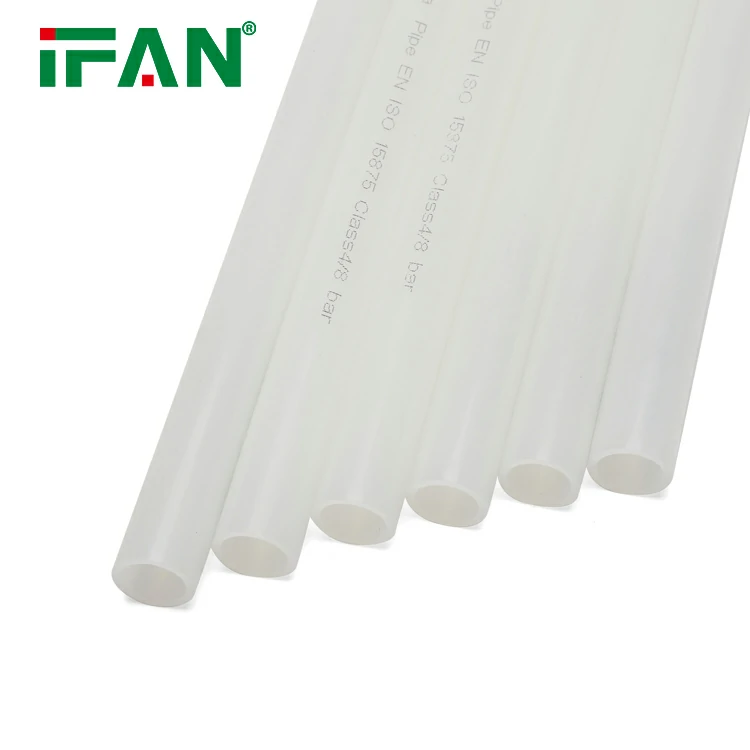
Pressure and Temperature Ratings
Both PEX-A pipe and PEX-AL-PEX pipe are suitable for hot and cold water systems.
Engel method pipe generally operates at 100 psi at 180°F (82°C).
PEX-AL-PEX pipe offers similar ratings but with enhanced pressure stability over time.
Thanks to its aluminum layer, PEX-AL-PEX pipe resists deformation at higher temperatures.
This makes it a solid choice for closed-loop radiant heating applications.
PEX-A pipe handles pressure changes well and resists cracking from freeze-thaw cycles.
For high-performance HVAC systems, the added strength of PEX-AL-PEX may be preferable.
Always check local codes to ensure compliance with specific temperature and pressure requirements.
Oxygen Barrier and Corrosion Prevention
PEX-A pipe can be manufactured with or without an oxygen barrier.
In heating systems, oxygen barriers prevent corrosion in metal components.
PEX-AL-PEX pipe naturally has a built-in oxygen barrier from its aluminum layer.
This makes it ideal for radiant heating and hydronic applications.
When using PEX-A pipe, choose the oxygen-barrier version for compatibility with boilers.
PEX-AL-PEX pipe offers superior oxygen diffusion resistance without relying on coatings.
This protects pumps, valves, and fittings from rust or scale buildup.
For metal-heavy systems, PEX-AL-PEX pipe may offer better long-term protection.
Durability, Cost, and Longevity
Both Engel method pipe and PEX-AL-PEX pipe are designed for long service lives.
Engel method pipe has excellent durability due to its molecular crosslinking.
It resists chemical attacks, scaling, and pitting under normal water conditions.
PEX-AL-PEX pipe adds mechanical strength and dent resistance due to its metal layer.
This structure, however, increases material cost and makes cutting more difficult.
PEX-A pipe is slightly more expensive than PEX-B or PEX-C, but cheaper than PEX-AL-PEX.
Installation costs vary depending on project complexity and tools needed.
When installed properly, both pipes can last over long-term durability according to standards.
Choosing the Right Pipe for Your Project
PEX-A pipe is excellent for general plumbing, retrofits, and cold climate areas.
Its flexibility and freeze resistance make it suitable for a wide range of environments.
PEX-AL-PEX pipe is ideal for radiant floor heating, snow-melt systems, and exposed applications.
Its rigidity, oxygen barrier, and stability give it an edge in those setups.
Consider factors like cost, layout, and temperature demands before deciding.
If you’re unsure, consult a licensed plumber or system designer.
Both options are dependable and tested across numerous applications worldwide.
Making an informed choice ensures system performance and long-term reliability.