
Introduction to PEX Piping Systems
PEX pipes are now standard in many modern plumbing systems around the world.
They are flexible, durable, and resist corrosion and mineral buildup.
The two most popular types are PEX-A pipe and PEX-B pipe.
While both serve similar purposes, they differ in manufacturing, flexibility, and performance.
Understanding these differences can help you choose the right pipe for your project.
This article explores key areas of comparison between PEX-A and PEX-B pipes.
We’ll look at flexibility, installation, strength, cost, and more with practical examples.
Knowing the facts helps ensure a reliable and efficient plumbing system.
Manufacturing Methods and Material Structure
PEX-A pipe is produced using the Engel method with peroxide-based crosslinking.
This method creates a uniform and highly flexible molecular structure.
PEX-B pipe is made using the silane method, which crosslinks the polymer after extrusion.
This results in a slightly more rigid pipe with a tighter structure.
PEX-A pipe typically has a higher crosslinking percentage than PEX-B pipe.
This affects flexibility, thermal memory, and repair methods.
Although both are durable, the manufacturing method impacts their physical behavior.
Knowing these differences helps in selecting pipes based on environmental and usage needs.
Flexibility and Installation Efficiency
PEX-A pipe is the most flexible of all PEX types available today.
It can bend around corners and obstacles with fewer fittings.
This reduces installation time and minimizes leak-prone connections.
PEX-B pipe is less flexible and may require more elbows and joints.
For tight spaces or remodels, PEX-A pipe offers better handling.
Its flexibility also makes it less prone to kinking during uncoiling or installation.
However, PEX-B pipe maintains its shape better once installed.
Each type has installation advantages depending on the project’s complexity and layout.
Thermal Memory and Expansion Fittings
PEX-A pipe has excellent thermal shape memory properties.
This allows it to return to its original shape after expansion.
This feature makes it compatible with expansion-style fittings like the ProPEX system.
PEX-B pipe is stiffer and not suitable for expansion fittings.
Instead, it uses crimp or clamp fittings, which require precise sizing.
Expansion fittings reduce flow restriction and provide long-lasting seals.
PEX-A pipe’s thermal memory also helps it recover from freeze damage better.
This makes it ideal for areas with cold weather and freezing risks.
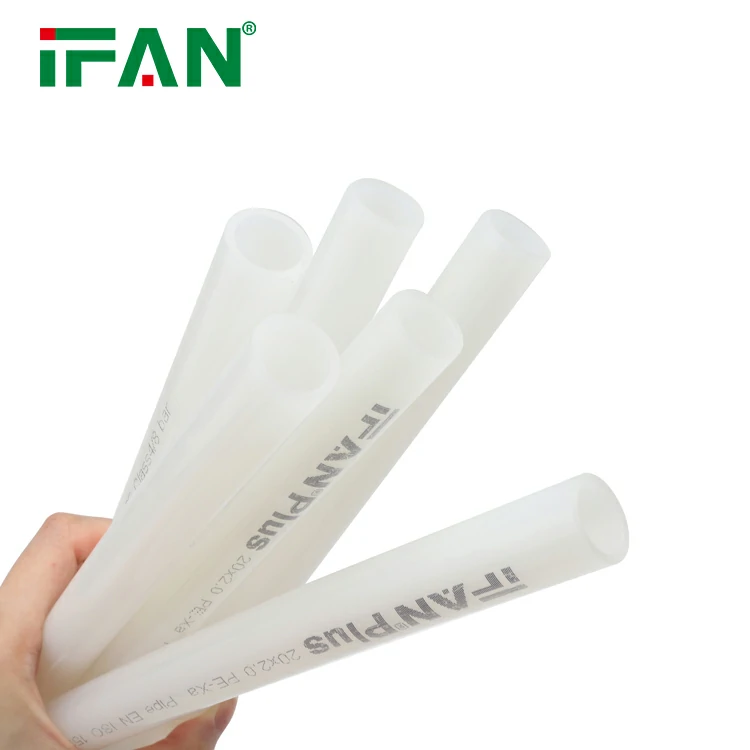
Resistance to Cracking and Freezing
PEX-A pipe performs better in freeze-thaw situations due to its flexibility and memory.
When frozen, it expands and then contracts without cracking.
PEX-B pipe is more likely to develop stress fractures under repeated freeze cycles.
In cold climates, Engel method pipe provides an extra layer of reliability.
However, both types must still be protected from prolonged freezing conditions.
Proper insulation and drainage are always recommended in outdoor or unheated applications.
For extreme cold areas, many plumbers prefer Engel method pipe installations.
Its ability to survive freezing events helps reduce costly repair risks.
Strength, Durability, and Chlorine Resistance
PEX-B pipe is slightly stronger under pressure due to its tighter molecular structure.
It offers excellent resistance to chlorine degradation, making it suitable for municipal water systems.
PEX-A pipe, while flexible, is more susceptible to oxidative damage over time.
Chlorinated water may gradually weaken PEX-A pipe if not properly stabilized.
PEX-B pipe’s high hydrostatic pressure resistance makes it ideal for long runs and high-stress environments.
In hot water recirculation systems, this added strength becomes an advantage.
However, PEX-A pipe still meets all required industry standards for performance.
Both types can serve reliably if installed and maintained properly.
Cost, Availability, and Tooling Requirements
PEX-B pipe is generally more affordable and widely available in hardware stores.
Its lower cost makes it popular for budget-conscious residential projects.
PEX-A pipe tends to be more expensive due to its complex manufacturing process.
Additionally, expansion tools for Engel method pipe cost more and require training.
PEX-B pipe uses crimp or clamp systems, which are cheaper and more familiar to many installers.
If budget and tool availability are major concerns, PEX-B pipe is a practical choice.
For high-end installations or cold-weather reliability, Engel method pipe may justify the extra cost.
Both systems require proper tools and training for safe, secure installations.
Which One Should You Choose?
Choosing between PEX-A pipe and PEX-B pipe depends on several factors.
For flexibility, ease of installation, and freeze resistance, Engel method pipe is superior.
If cost, chlorine resistance, and pressure strength are priorities, choose PEX-B pipe.
Engel method pipe shines in custom homes, remodels, and extreme climates.
PEX-B pipe fits well in new construction and budget-sensitive projects.
Both meet industry standards and can deliver long service life when correctly installed.
Ultimately, consider your environment, installer experience, and budget before deciding.
The right choice ensures efficiency, durability, and peace of mind in your plumbing system.