
Understanding Brass as a Material
Brass is a durable metal alloy. It is copper mixed with zinc. This material resists corrosion well. It is not maintenance-free however. All plumbing components need some care. Brass is more robust than plastic. Yet it still requires occasional attention.
The Low-Maintenance Reality
These fittings are generally low-maintenance. They do not need regular lubrication. They will not rust like steel. Their surfaces are often stable. Many systems operate for years untouched. This is a key advantage for homeowners.
Periodic Visual Inspection
Regular visual checks are important. Look for signs of green or white deposits. This indicates minor corrosion or leaks. Check for moisture around joints. Look for any discoloration on the brass. A quick inspection prevents larger problems.
Monitoring for Leaks
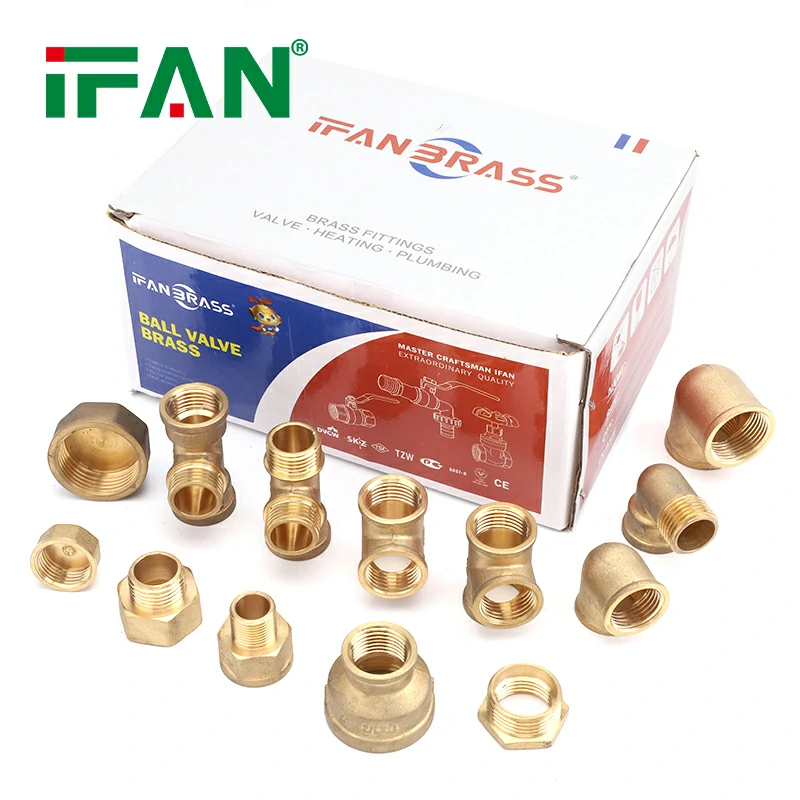
Listen for dripping sounds. Check for water stains on floors. Look under sinks and behind appliances. A small leak can cause major damage. Early detection is critical. Brass Plumbing Fittings can develop leaks over decades.
Cleaning and Surface Care
Clean brass with mild soap and water. Avoid harsh abrasive cleaners. They can scratch the protective surface. A soft cloth works best for polishing. This maintains appearance and hygiene. It does not affect the fitting’s function.
Preventing Mineral Buildup
Hard water causes scale deposits. These deposits can restrict water flow. Vinegar can dissolve minor mineral deposits. Soak affected aerators or showerheads. This helps maintain optimal water pressure. It is part of general system care.
Addressing Corrosion Concerns
Brass can suffer from dezincification. This is zinc leaching from the alloy. It happens in aggressive water conditions. Use dezincification-resistant (DZR) brass fittings. They greatly reduce this risk. This is a preventive selection, not maintenance.
Maintaining Valve Operation
Valves should be exercised occasionally. Turn them off and on fully. This prevents the internal mechanism from seizing. It keeps the valve operational for emergencies. This simple act is vital maintenance.
Checking Threaded Connections
Threaded connections can loosen slightly. Thermal cycling causes expansion and contraction. Check key connections annually. Tighten them gently if a weep is found. Do not over-tighten and risk damage.
When Professional Help is Needed
Some tasks require a plumber. Major leaks or low pressure need expert diagnosis. Repiping or system overhauls are professional jobs. Do not attempt complex repairs yourself. Safety and code compliance are paramount.
Comparing Maintenance to Other Materials
Brass requires less than iron. Iron rusts and needs replacement. Brass requires more than some plastics. Plastic does not corrode but can degrade from UV light. Each material has its own maintenance profile.
Conclusion on Maintenance Needs
Yes, Brass Plumbing Fittings require some maintenance. It is minimal but important. Regular inspection is the core task. Addressing small issues prevents big repairs. This ensures a long and reliable service life. Proper care protects your entire plumbing investment.