
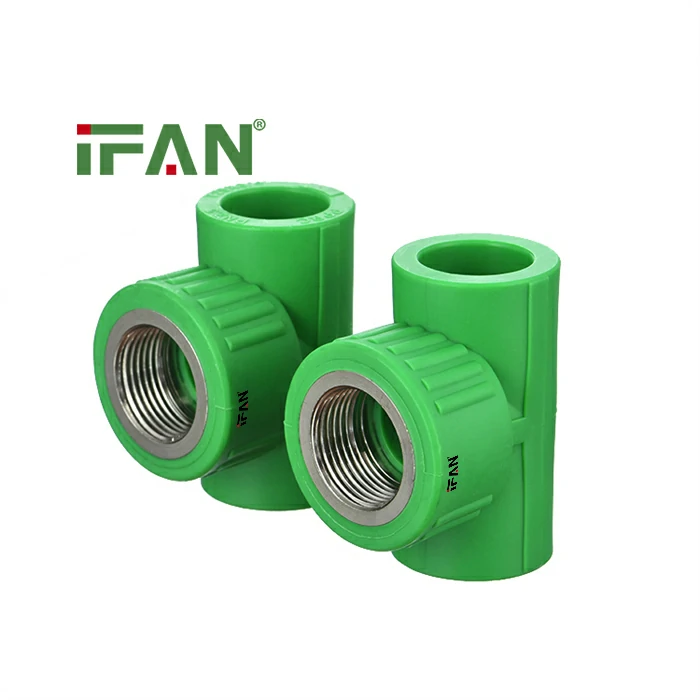
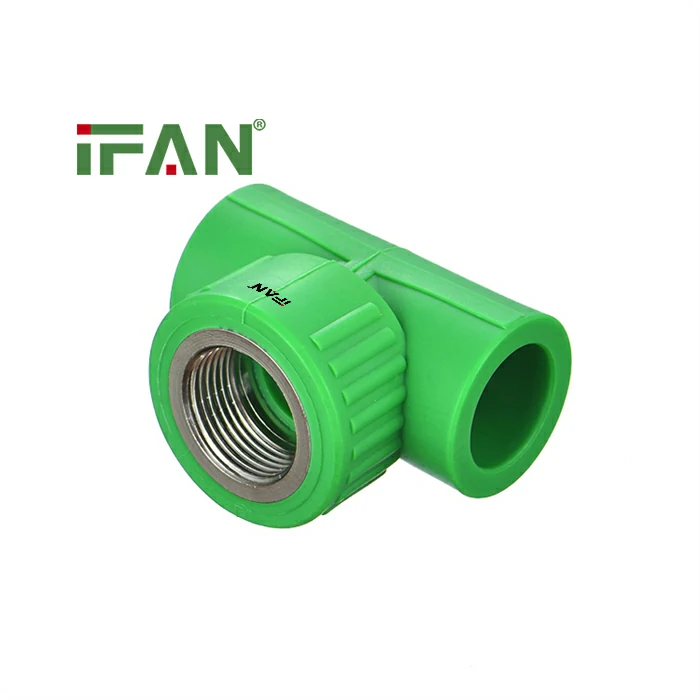
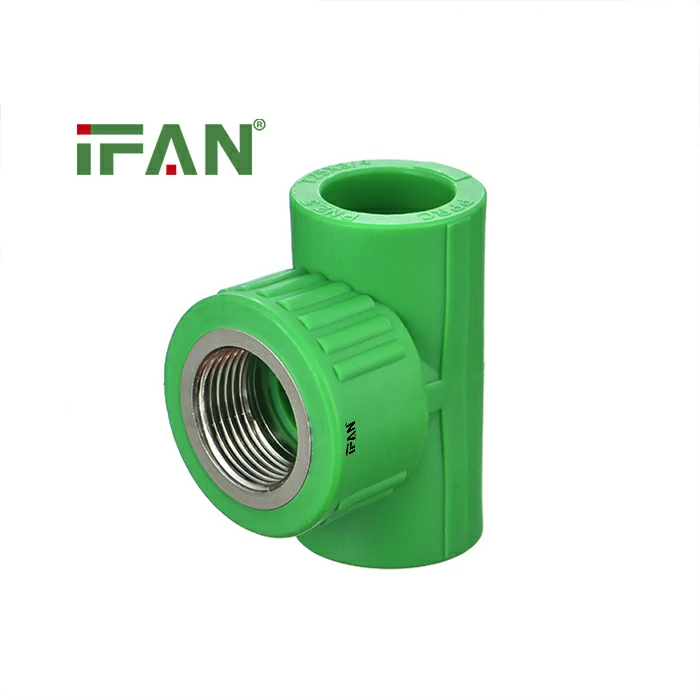
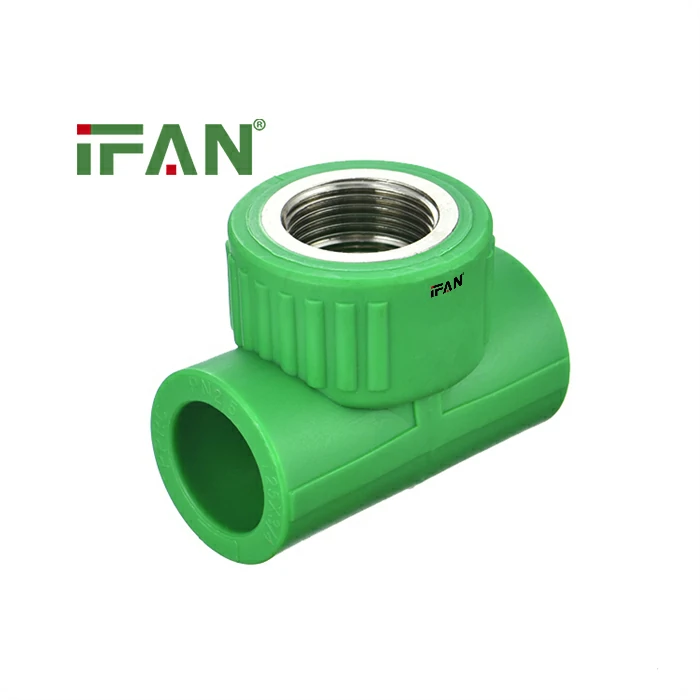
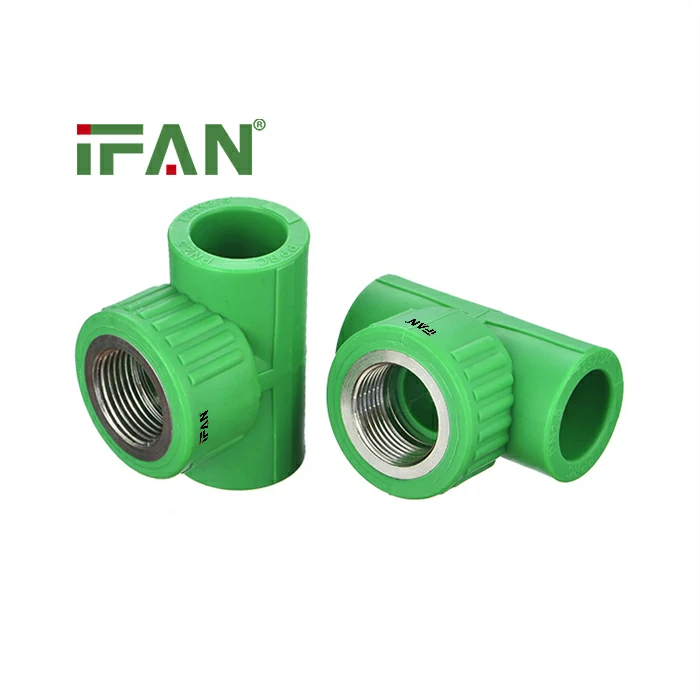
IFAN Supply PPR Fittings Tee
Category : Click Download
Whatsapp : +86 19884503412
Wechat : 19884503412
Description
Understanding PPR System Vulnerabilities
PPR systems are generally very reliable. However, problems can still occur. Most issues stem from human error. Poor installation is the primary cause. Material defects are less common. Understanding potential failures is key to prevention.
Improper Fusion Welding Techniques
This is the most frequent problem. Incorrect heating causes weak joints. Underheating prevents proper material fusion. Overheating degrades the plastic polymer. Both lead to joint failure under pressure. The joint may leak immediately or later.
Contamination During the Welding Process
Dirt, grease, or water ruin the weld. These contaminants create a barrier. The plastic surfaces cannot fuse properly. Even a fingerprint can cause issues. Always clean with isopropyl alcohol. Ensure components are completely dry before heating.
Incorrect Cutting and Preparation
A non-square cut is a major flaw. It creates an uneven gap in the joint. This gap cannot be filled with melted plastic. Burrs left inside the pipe cause turbulence. They also reduce the effective diameter. Always use a proper cutter and deburring tool.
Thermal Stress and Expansion Issues
PPR expands significantly with heat. Long, straight runs are especially vulnerable. Installers often forget expansion loops or offsets. This creates tremendous stress on PPR fittings. The pipes can buckle or fittings can crack. Proper design must accommodate movement.
Mechanical Damage from External Forces
PPR is durable but not indestructible. Impact from tools or debris can damage it. Crushing from heavy objects is a risk. Exposure to sharp edges in walls is another. Damaged areas become points of future failure. Protect pipes during and after installation.
Exposure to Ultraviolet (UV) Sunlight
PPR is not inherently UV-stable. Prolonged direct sunlight causes degradation. The material becomes brittle and discolored. This weakens it over many years. Always use protective conduits or paint outdoors. Buried or indoor pipes are safe from this.
Chemical Incompatibility and Corrosion
PPR resists most common chemicals. But some substances can damage it. Strong oxidizing agents are particularly harmful. This includes some types of chlorinated water. Always verify chemical compatibility for industrial uses. Domestic water is usually safe.
Water Hammer and Pressure Surges
Sudden pressure spikes stress any system. PPR systems can suffer from water hammer. The shockwave can crack fittings or pipes. This is common with fast-closing solenoid valves. Installing a water hammer arrestor solves this. It protects the entire plumbing system.
Faulty or Substandard Material Quality
Low-quality PPR fittings are a significant risk. They may not meet stated pressure ratings. The material composition could be impure. Always purchase from reputable suppliers. Look for proper certifications like DIN/EN ISO 15874. Avoid uncertified, cheap products.
Inadequate Support and Clipping
Pipes must be properly supported. Sagging pipes put stress on welded joints. This stress leads to fatigue over time. Use correct pipe clips at recommended intervals. Allow for longitudinal movement from expansion. Good support is essential for longevity.
Prevention Through Best Practices
Most problems are preventable. Follow the manufacturer’s fusion instructions exactly. Use the correct tools for cutting and welding. Design the system to handle thermal expansion. Protect pipes from physical and UV damage. Quality installation ensures decades of trouble-free service from your PPR fittings. Professional training is highly recommended for installers.
相关产品
 Green PPR Pipe Fittings
PPR Reduce Socket Fittings
- Green PPR Pipe Fittings
PPR Pipe Clip
- Green PPR Pipe Fittings
PPR Male Socket
- Green PPR Pipe Fittings
PPR Female Socket


HAVE ANY QUERIES? SEND TO CONTACTOANTSMACHINE.COM
ONTACT US