
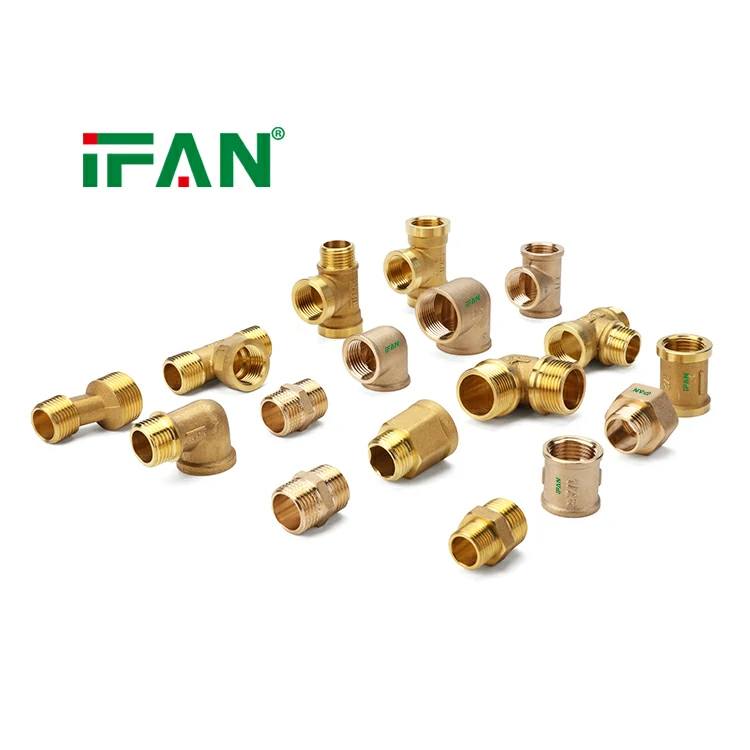
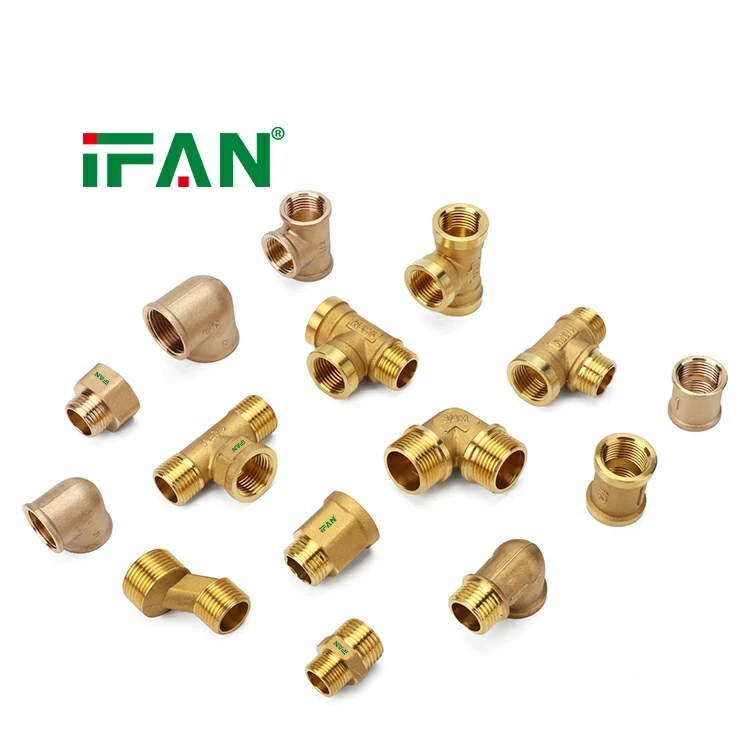
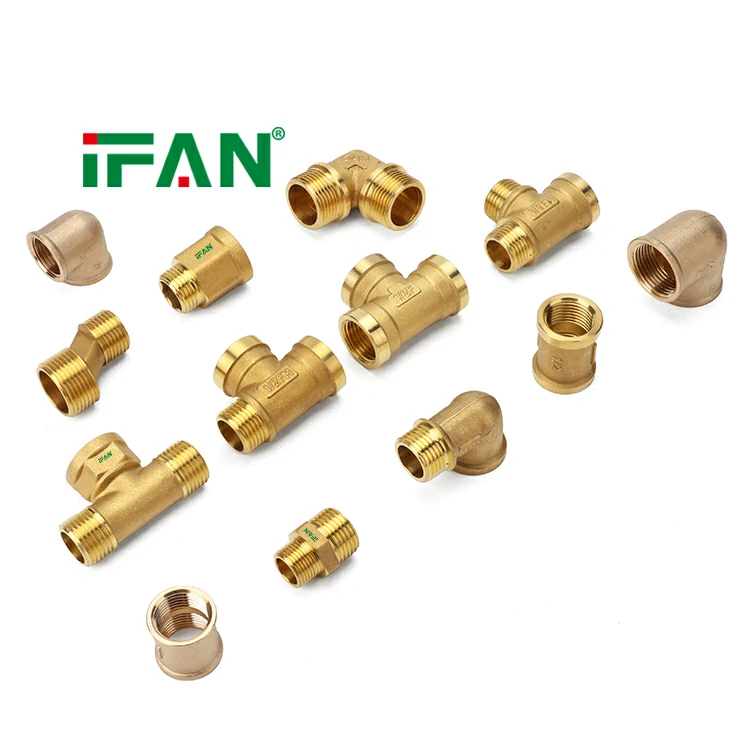
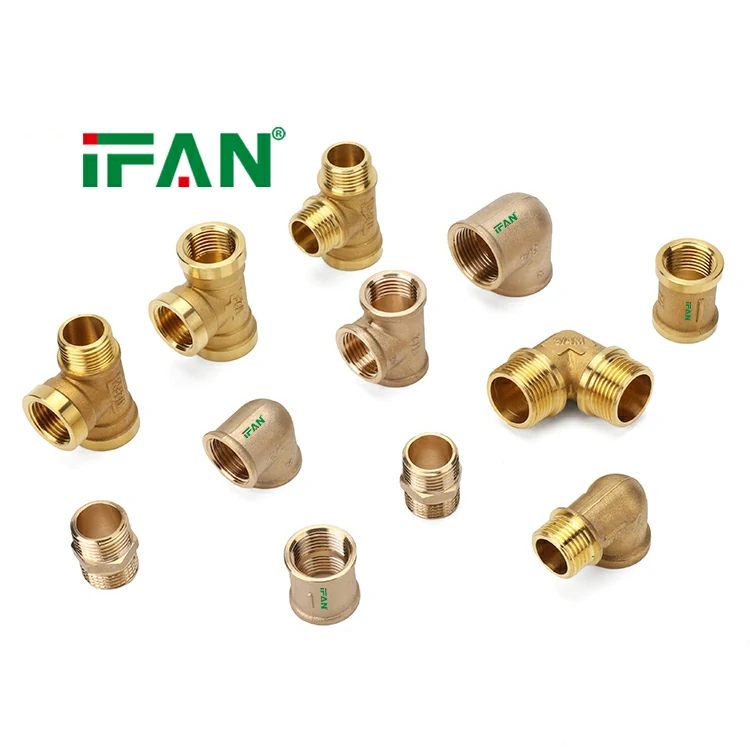
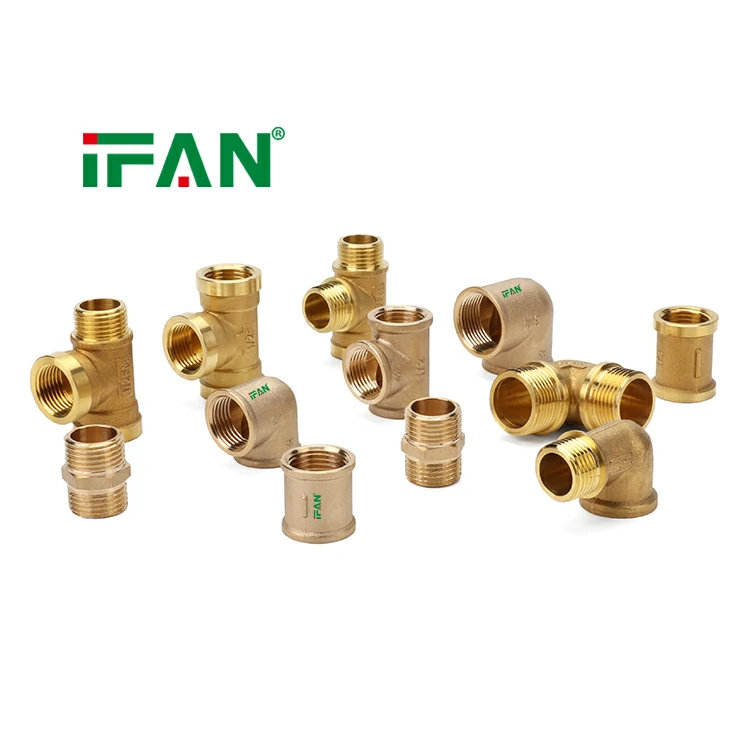
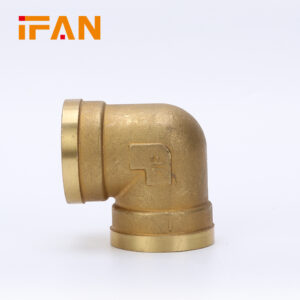
IFAN Factory Produces Brass Fittings
Category : Click Download
Whatsapp : +86 19884503412
Wechat : 19884503412
Description
Understanding the Importance of Leak Prevention
Leaks in brass fittings waste water and cause damage. They can lead to mold growth and structural issues. Preventing leaks is far easier than repairing them. Proper installation and maintenance are key. A small investment in prevention saves major costs later. This guide covers essential prevention strategies.
Choosing High-Quality Brass Fittings
Start with quality materials. Look for reputable brands and certifications. Ensure the fittings are made from dezincification-resistant (DZR) brass. This prevents a common form of corrosion. Inspect fittings for visible defects before purchase. Avoid cheap, uncertified products.
Proper Thread Preparation is Essential
Threads must be clean and undamaged. Use a wire brush to remove old debris. Inspect for any burrs or imperfections. The male and female threads must match perfectly. Proper preparation ensures a good seal. Never force mismatched threads together.
Applying Thread Sealant Correctly
Sealant is mandatory for threaded brass fittings. Use Teflon tape or pipe thread compound. For tape, wrap it clockwise around the male threads. Start at the second thread from the end. Use three to five wraps for a good seal. For paste, apply an even layer to all threads.
Avoiding Overtightening and Undertightening
Both extremes cause leaks. Overtightening can crack the fitting body. It can also distort the threads permanently. Undertightening leaves gaps for water to escape. Tighten to the manufacturer’s recommended torque. Usually, hand-tight plus one to two wrench turns is correct.
Ensuring Proper Pipe Support
Brass fittings should not bear the pipe’s weight. Unsupported pipes stress the joints. This stress can cause leaks over time. Install pipe supports every few feet. Place a support within 12 inches of each fitting. This relieves mechanical strain.
Preventing Galvanic Corrosion
Connecting brass to dissimilar metals causes corrosion. This is called galvanic corrosion. It eats away at the less noble metal. Use dielectric unions between brass and steel. For brass to copper, the risk is lower but still present. Proper isolation prevents this electrochemical damage.
Controlling Water Chemistry
Aggressive water attacks brass fittings. Low pH (acidic) water is particularly harmful. High chloramine levels can also cause issues. Test your water quality periodically. Install a water softener or neutralizer if needed. Balanced water chemistry preserves the fittings.
Protecting from Freezing Temperatures
Water expands when it freezes. This expansion can crack brass fittings. Drain outdoor lines before winter. Insulate fittings in unheated areas. Use heat tape in extreme climates. Prevention of freeze damage is far easier than replacement.
Regular Inspection and Maintenance
Inspect fittings visually every six months. Look for green or white corrosion deposits. Check for any signs of moisture or weeping. Feel around joints with a dry hand. Early detection allows for simple repairs. Ignoring small signs leads to major failures.
Using Proper Tools for Installation
Always use the correct tools for the job. Use two wrenches to tighten connections. One wrench holds the fitting steady. The other turns the pipe or nut. This prevents stress on the fitting body. Never use pipe wrenches on brass fittings.
Conclusion: A Systematic Approach
Preventing leaks in brass fittings requires a systematic approach. Start with quality materials and proper preparation. Use correct sealant and tightening techniques. Support pipes adequately and control water chemistry. Perform regular inspections to catch issues early. Following these guidelines ensures reliable, leak-free performance for decades. Your plumbing system will thank you.
相关产品
 01 Series
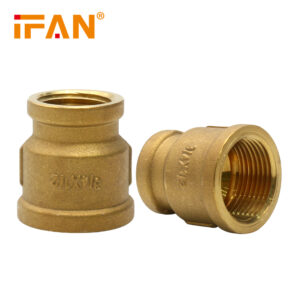
Brass Reduce Socket
- 01 Series
Brass Connectors
- 01 Series
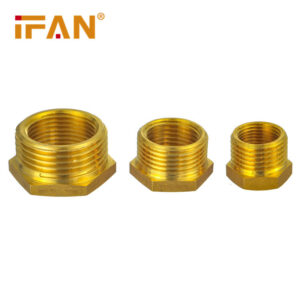
Brass Bushing
- 01 Series
Brass Elbow



HAVE ANY QUERIES? SEND TO CONTACTOANTSMACHINE.COM
ONTACT US